Silence and Elevation: A Guide to the High Dolomites
Ascending into the UNESCO-protected limestone amphitheatres of Northern Italy, where alpine simplicity meets avant-garde sanctuary design.
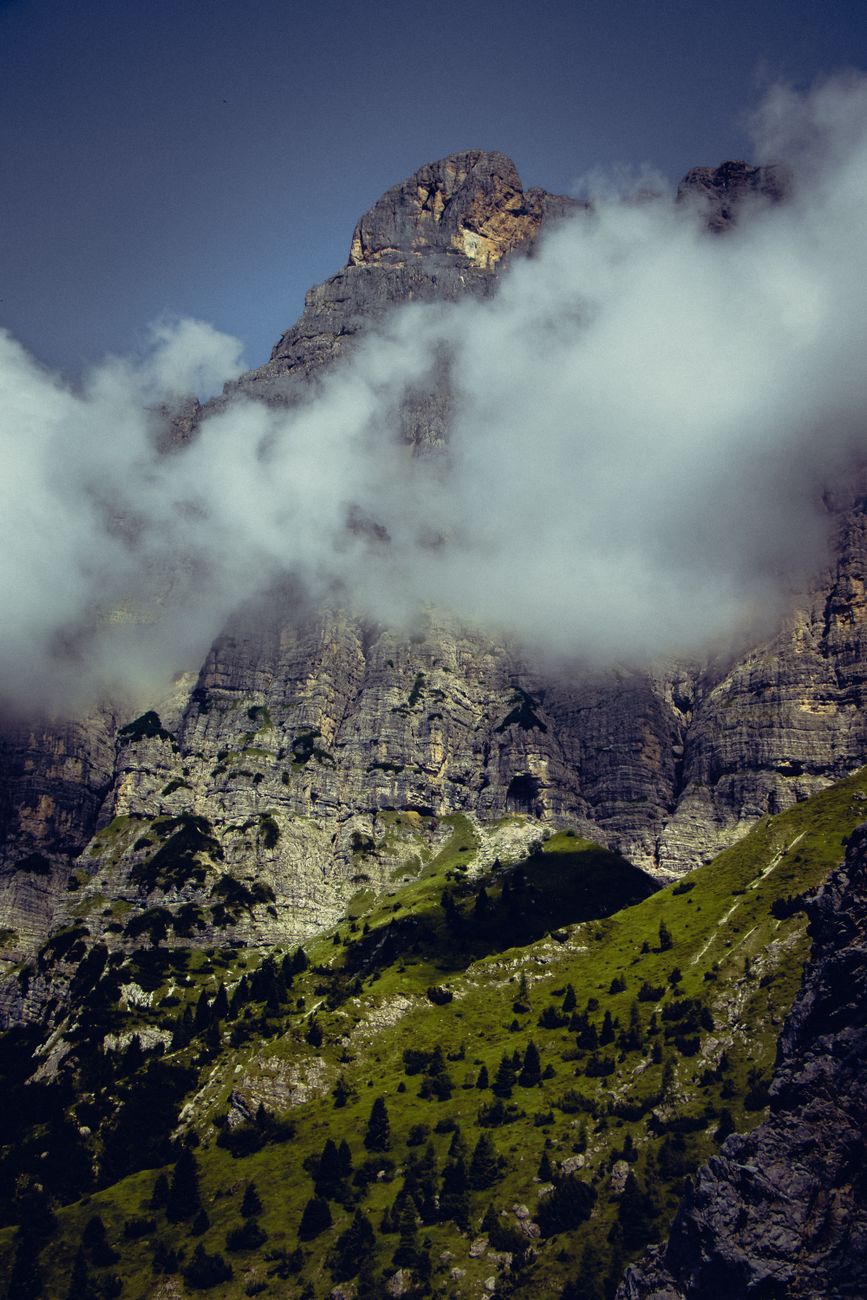
The Pale Mountains of South Tyrol rise like monumental cathedrals from emerald valleys. For decades, the Dolomites have captivated mountaineers, poets, and architects alike. Yet the true soul of these peaks is discovered when the day-hikers depart on the final cable car, leaving the high scree fields and alpine refuges wrapped in absolute, crystal silence.
The Evolution of the Alpine Rifugio
Historically, alpine huts were austere shelters designed solely to keep climbers alive in sudden blizzard conditions. Over the past decade, a quiet architectural movement has swept through South Tyrol. Regional architects have reinterpreted the traditional larch-wood barn, introducing carbon-neutral shelters with floor-to-ceiling panoramic glass that frames sheer limestone towers.
These contemporary sanctuaries do not overpower nature; they disappear into the mountain contours. Energy is harvested via geothermal probes, while water is purified using gravity-fed alpine filtration. It is a masterclass in living responsibly within fragile ecological boundaries.
"In the high mountains, luxury is stripped of all superfluous ornament. It becomes warmth, clarity, silence, and clean water."
A Confluence of Ladin and Mediterranean Flavors
The culinary landscape of the Dolomites is entirely distinct from the rest of Italy. The Ladin culture, native to the high valleys, preserves traditions influenced by both Tyrolean heartiness and Northern Italian delicacy:
- Hand-pinched ravioli filled with wild mountain herbs and mountain cheese aged in alpine caves.
- Locally cured speck smoked over juniper twigs in historic farmsteads.
- Crisp white wines grown on mineral-dense terrace slopes in the Isarco Valley.
Optimal Seasons for Contemplative Exploration
While winter brings premier skiing and mid-summer welcomes trekking enthusiasts, our editorial team advocates for the late autumn window between late September and mid-October. The larch forests transform into glowing shades of amber, the mountain air achieves maximum visibility, and the trails offer profound solitude.