The Wabi-Sabi Aesthetics of Traditional Kyoto Ryokans
How deliberate restraint, tactile joinery, and the passage of time manifest an enduring philosophy of restorative hospitality.
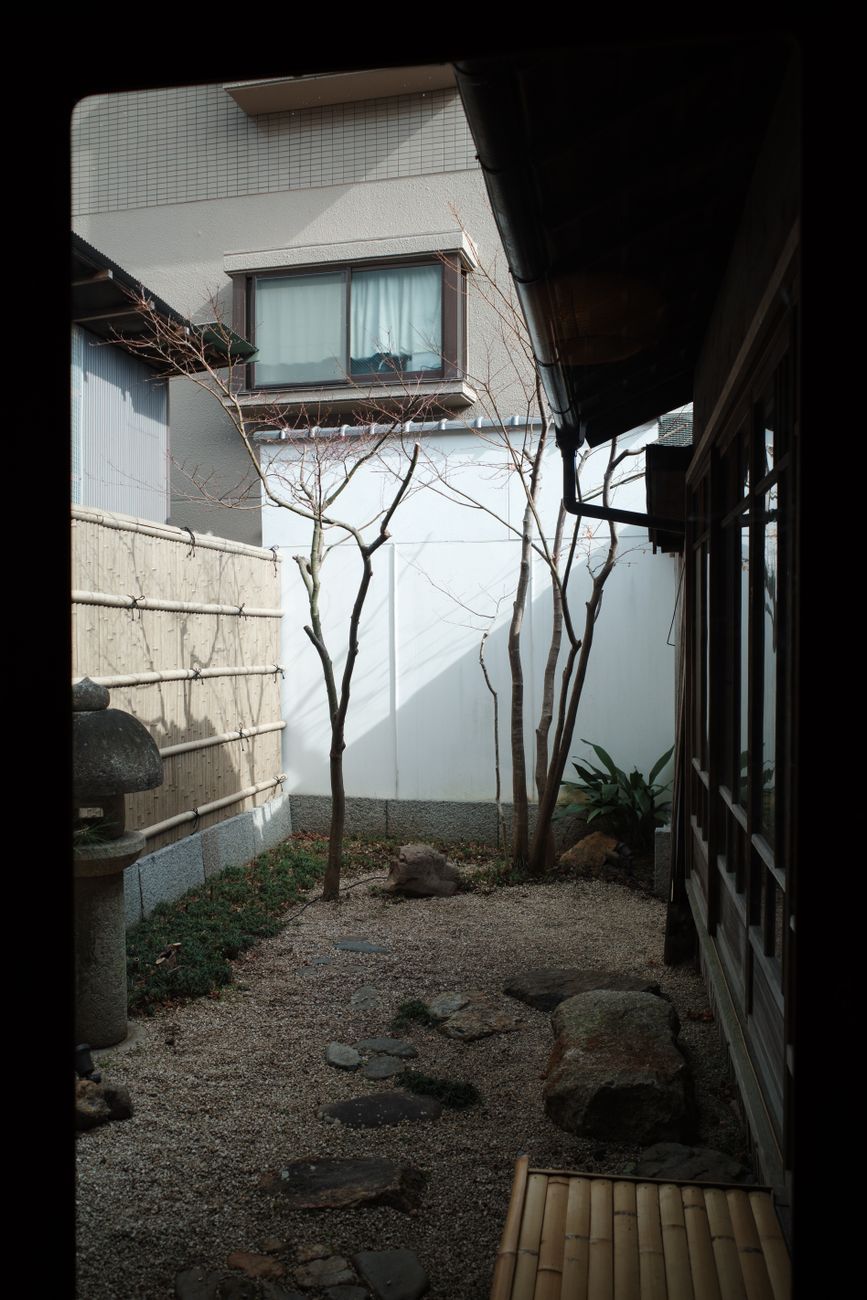
In an age dominated by frictionless luxury and hyper-connected hotel towers, stepping across the threshold of a centuries-old Kyoto ryokan offers a profound recalibration of the senses. Here, luxury is not measured by expansive square footage or gold leaf accents, but by the quiet resonance of untreated Hinoki cypress, the muted rustle of rice-paper shoji screens, and the deliberate absence of extraneous modern noise.
The Architectural Grammar of Emptiness
Central to Japanese traditional architecture is ma—the meaningful void. In a traditional suite, the primary living area is devoid of permanent heavy furniture. A single seasonal flower arrangement (ikebana) sits in the tokonoma alcove alongside a hanging calligraphy scroll selected specifically to reflect the weather of that exact day.
The tactile experience is deliberate. Flooring is composed of freshly woven rush grass tatami mats, which yield gently underfoot and emit an herbal scent that evokes early morning rain in the Arashiyama bamboo forests. Natural light is filtered through cedar latticework, casting shifting geometric shadows across plaster walls mixed with river straw.
"We find beauty not in the thing itself but in the patterns of shadows, the light and the darkness, that one thing against another creates." — Jun'ichirō Tanizaki, In Praise of Shadows
The Kaiseki Ritual: Micro-Seasonal Terroir
Hospitality culminates in the evening kaiseki meal, served privately inside the guest's tatami chamber by the nakai-san (dedicated host). Rather than offering an immutable seasonal menu, master chefs in Kyoto construct courses based on shun—the precise ten-day window when an ingredient is at its absolute peak of flavor.
- Wild mountain ferns (warabi) harvested that morning from Kitayama ridges.
- Sweet river trout (ayu) grilled slowly over Kishu binchotan white charcoal.
- Dashi stocks simmered from aged Rishiri kelp and freshly shaved skipjack flakes.
Each ceramic vessel is an individual antique, chosen to harmonize with the culinary temperature and the visual hue of the broth. To dine in this manner is to be present within the exact week of the solar calendar.
Sustaining Heritage in the Modern Age
Preserving these wooden sanctuaries requires unyielding commitment. The timber structures must be continually maintained by specialized miyadaiku carpenters who utilize mortarless wooden joinery capable of withstanding seismic tremors. By patronizing authentic family-run ryokans, discerning voyagers ensure that this master craftsmanship continues into future generations.